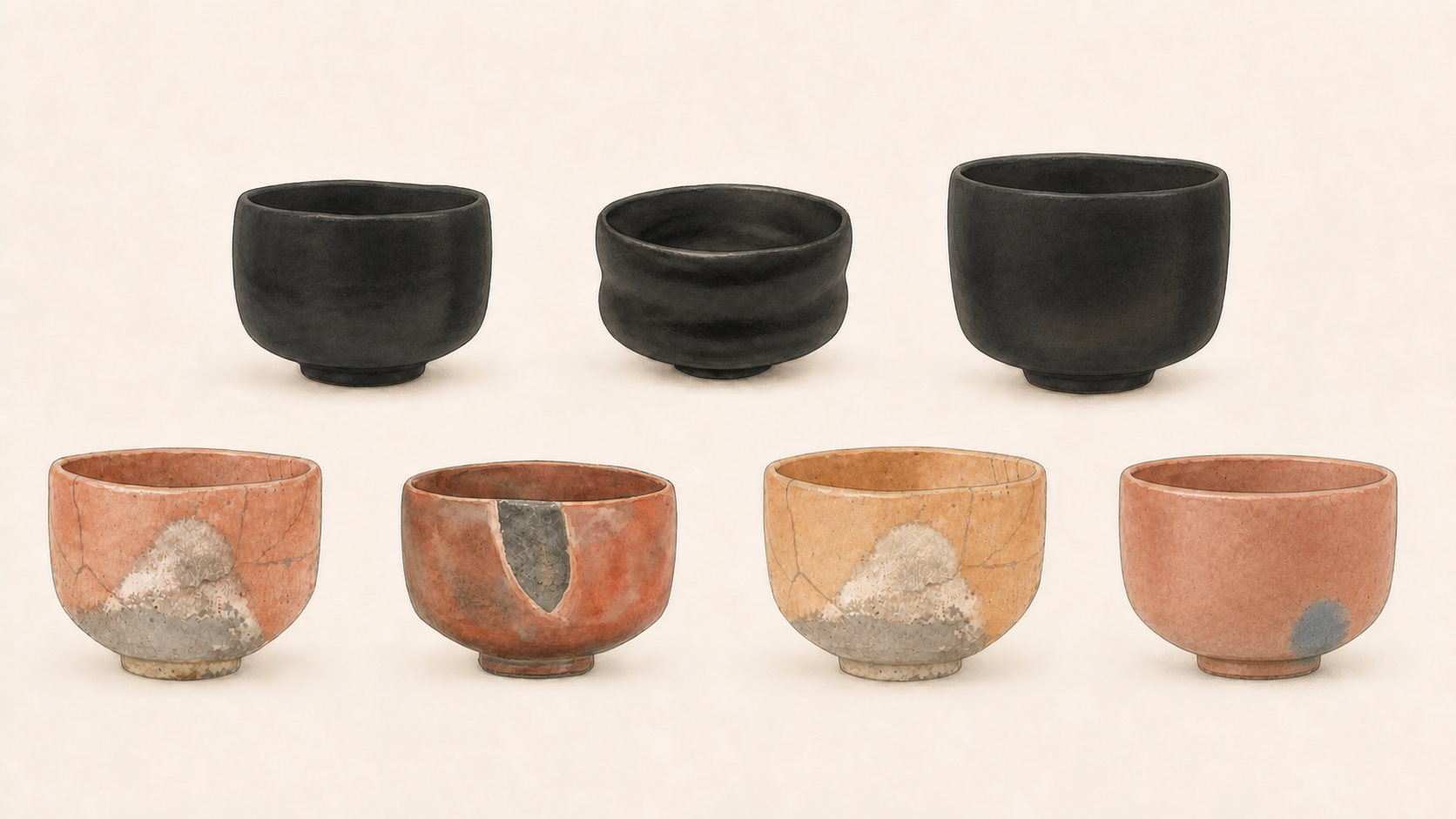
The Rikyū Seven: Chōjirō’s Black and Red Raku Tea Bowls
Meet the Rikyū Seven: Ōguro, Hachihiraki, Tōyōbō, Hayafune, Kimori, Kengyō, and Rinzai. Compare the black and red Raku forms and see which bowls survive. Read the article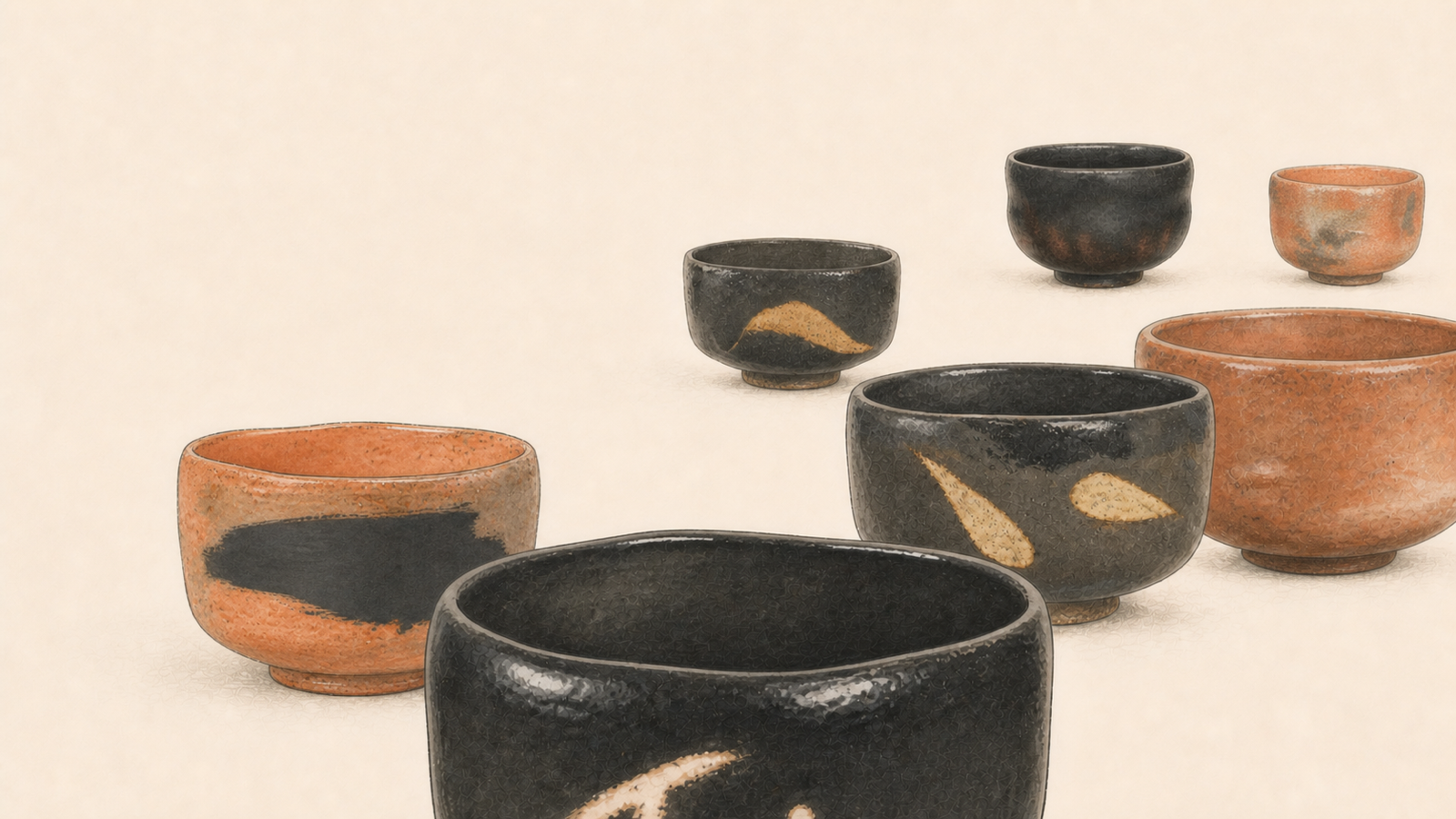
The Nonkō Seven: Light and Movement in Black and Red Raku
Compare Dōnyū III’s four black and three red Raku bowls through their thin walls, contours, glazes, and names. Read the article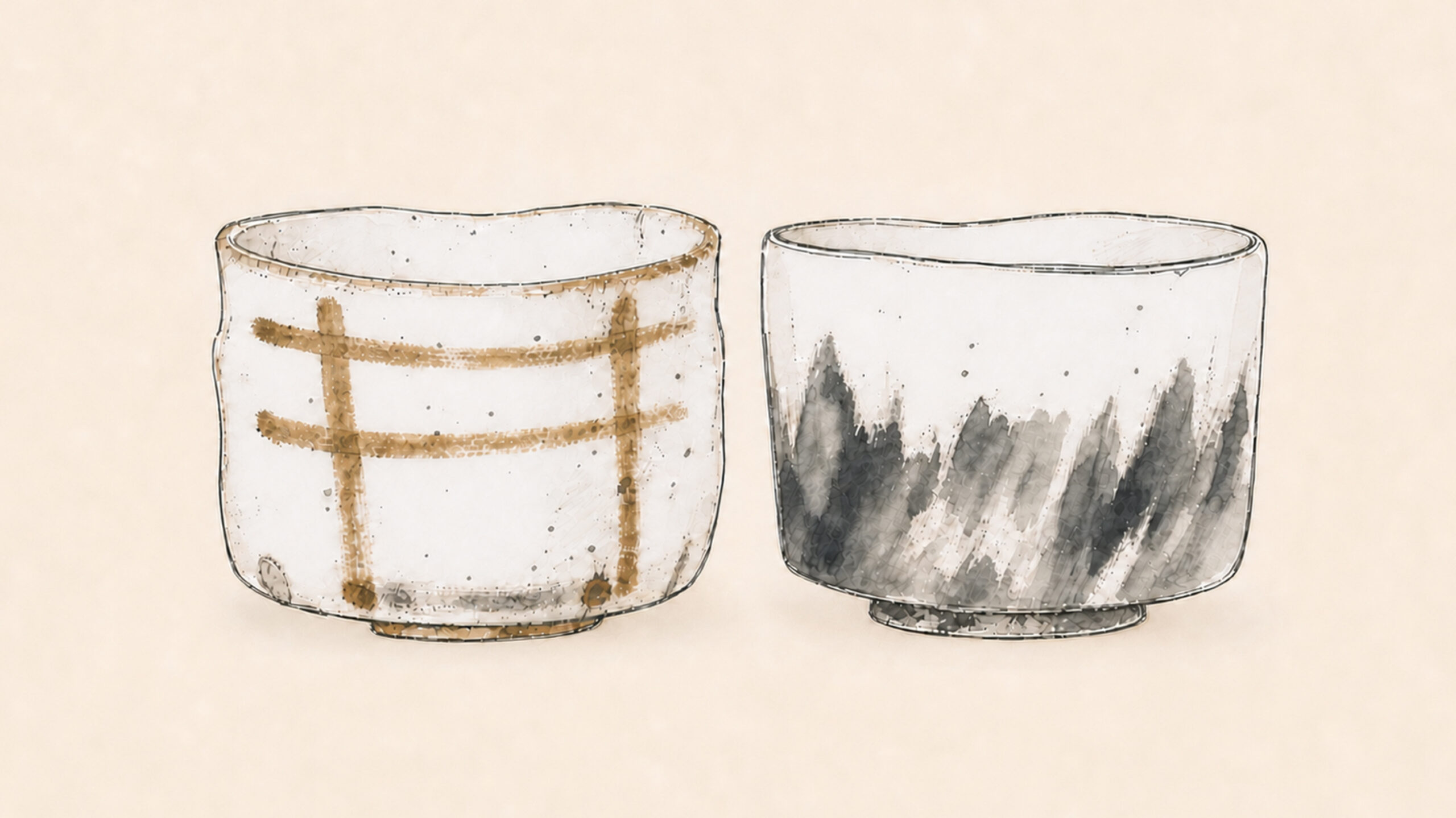
Made in Japan: Unohanagaki and Fujisan, Two National Treasure Tea Bowls
Only two tea bowls fired in Japan are National Treasures. Compare Unohanagaki, a Shino bowl, and Fujisan, a Raku bowl by Hon’ami Kōetsu, through shape, materials, technique, and provenance. Read the article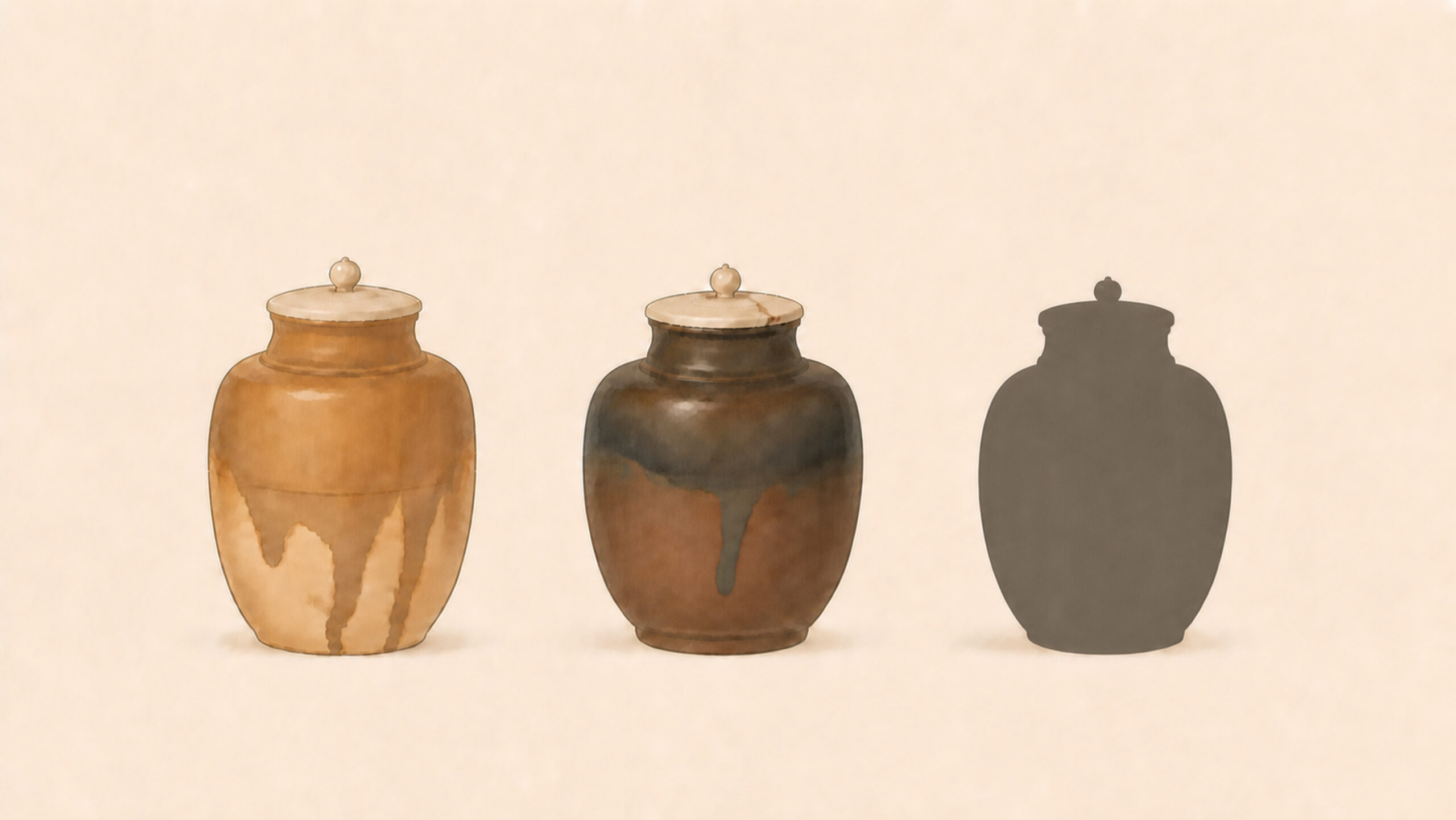
The Three Celebrated Tea Caddies: Hatsuhana, Nitta and Narashiba
Meet Hatsuhana, Nitta and Narashiba. Learn how to read their names and distinguish a shoulder-form tea caddy, then follow their histories among warlords and Hakata merchants and see what survives today. Read the article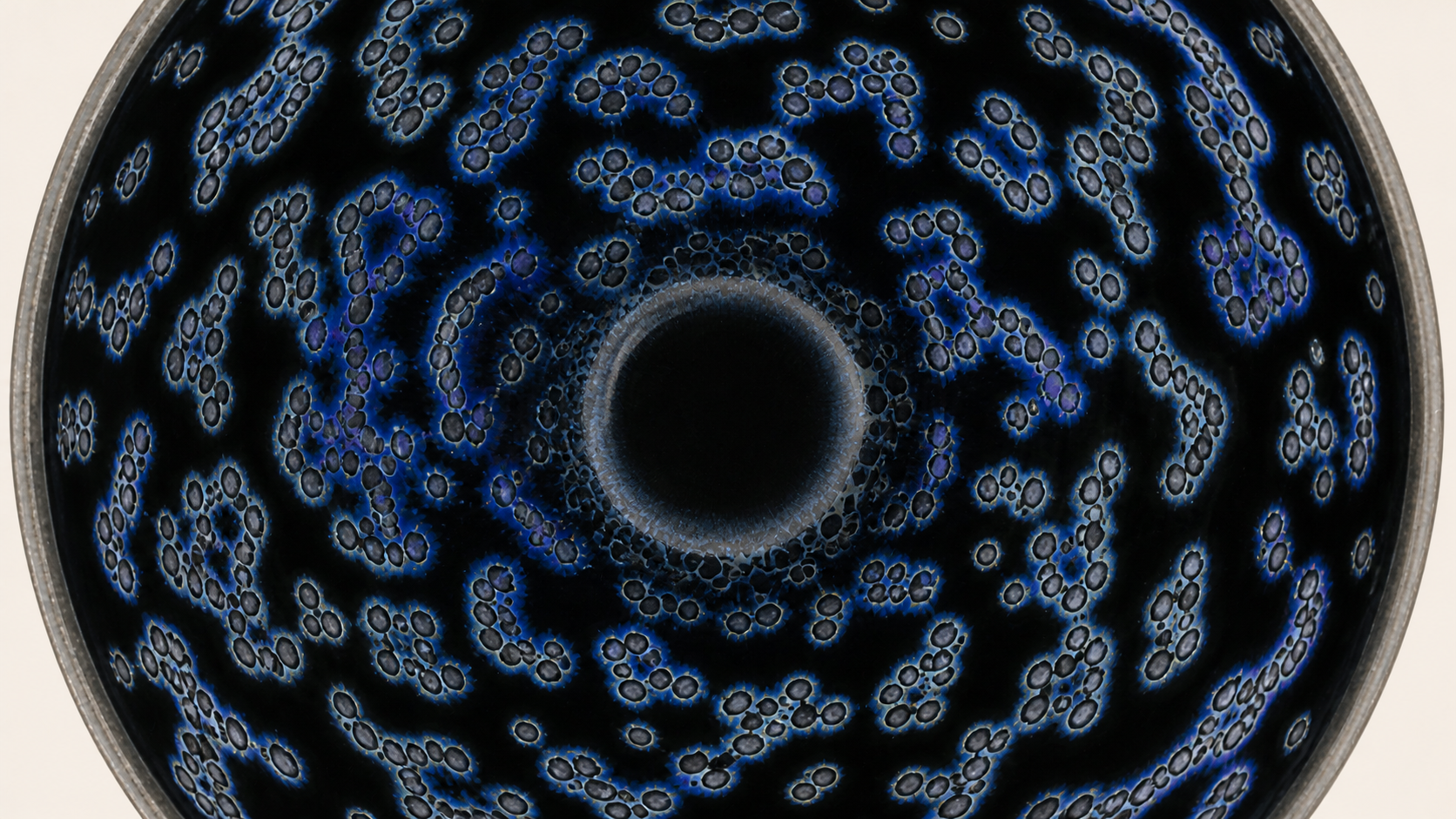
Five National Treasure Tenmoku Tea Bowls: Yōhen, Yuteki, and Taihi
Three yōhen, one oil-spot, and one tortoiseshell-glazed tea bowl are National Treasures. Compare the kilns, light, patterns, shapes, and histories of all five. Read the article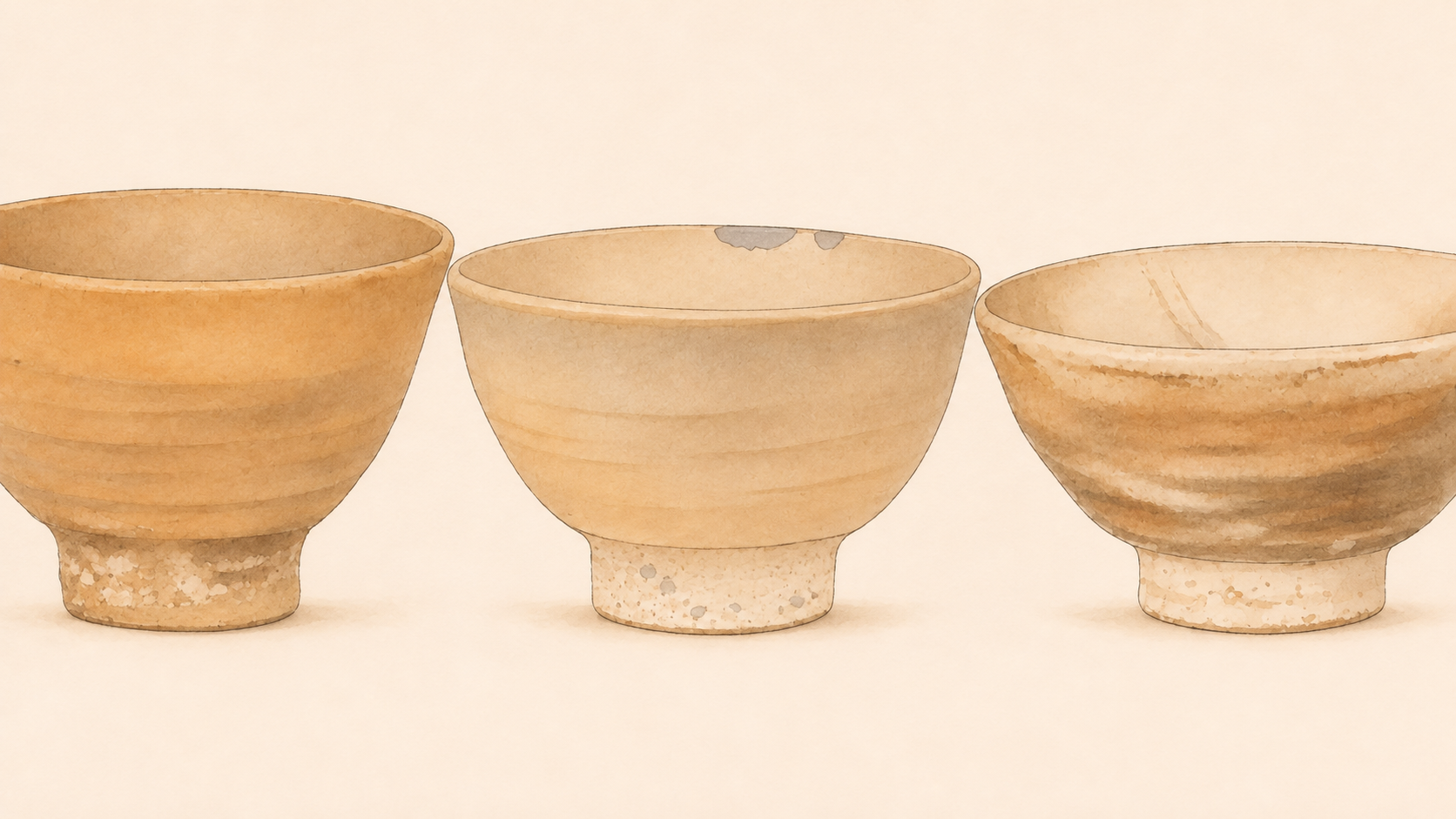
Kizaemon, Hosokawa, and Kaga: Ido Tea Bowls Through Three Celebrated Examples
Compare large, small, and blue Ido, then see how the Three Great Ido Bowls differ in loquat glaze, throwing lines, bamboo-joint feet, and kairagi. Read the article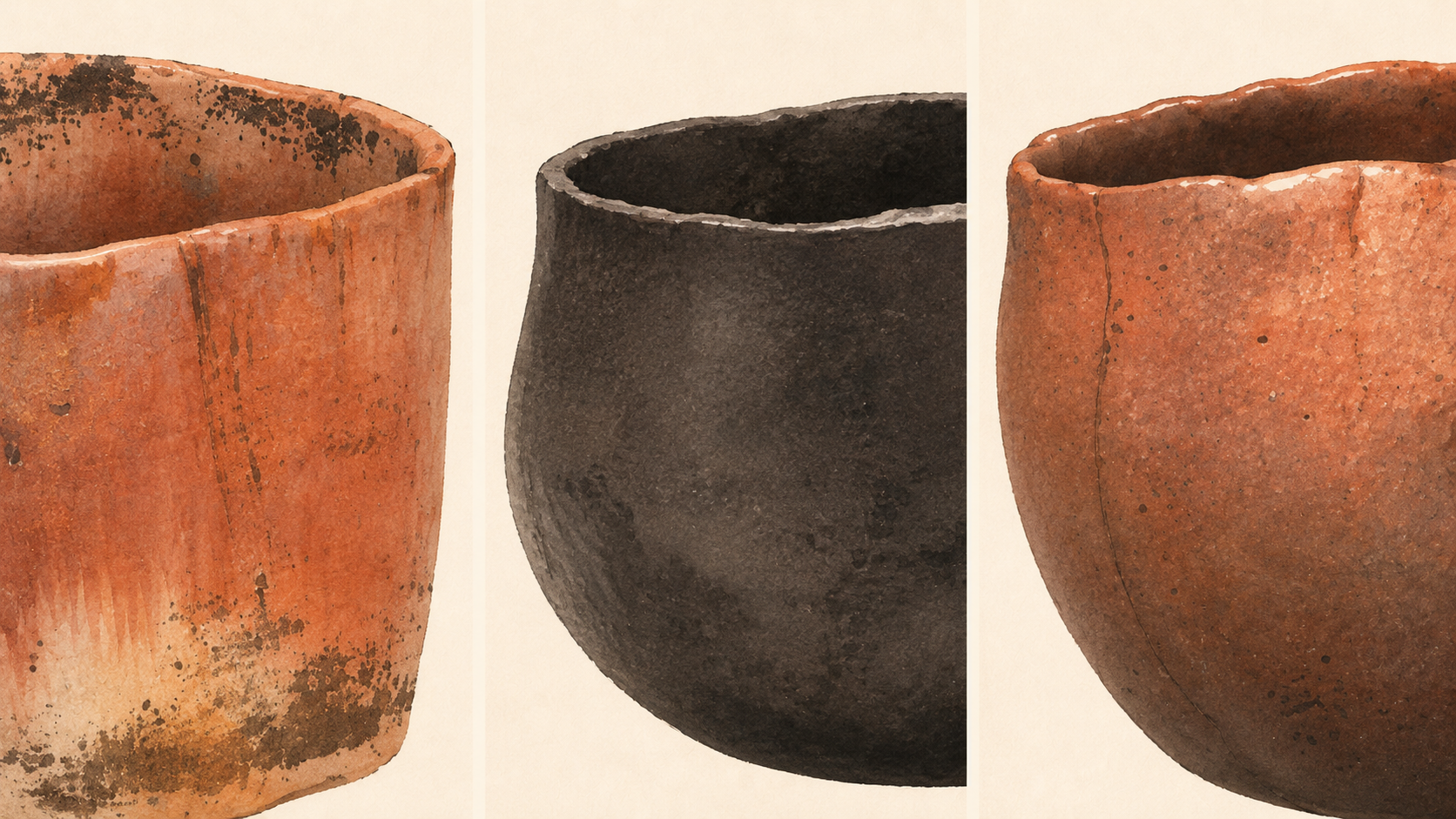
Hon’ami Kōetsu Makes Tea Bowls: From Fujisan to Shigure
Compare Kōetsu's Raku bowls, including Fujisan, Otogoze, Kaga, and Jukushi. See how he used the Raku family's techniques to change the shapes handed down from Chōjirō. Read the article
See things differently through the Japanese tea tradition.
Utensils, seasons, spaces and gestures come together around a bowl of tea. Tokyo Muichimotsu looks at how Japanese culture has shaped these ways of making and doing, through the lens of design.
KNOWLEDGE
Browse topics
STORIES
All articles
92 articles
 Featured
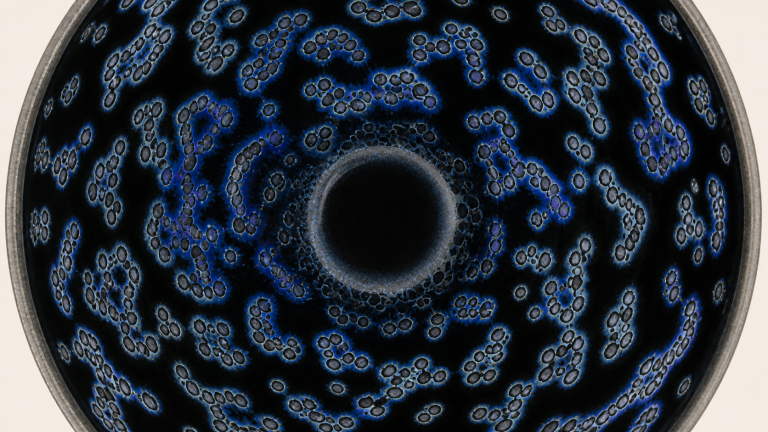
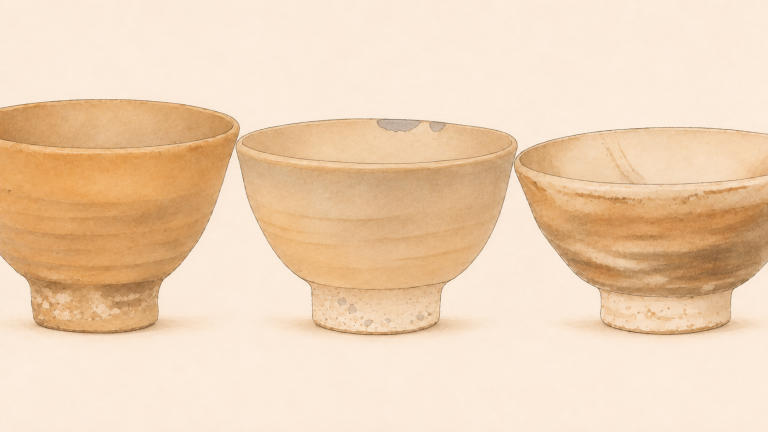
Five National Treasure Tenmoku Tea Bowls: Yōhen, Yuteki, and Taihi
Utensils
 Featured
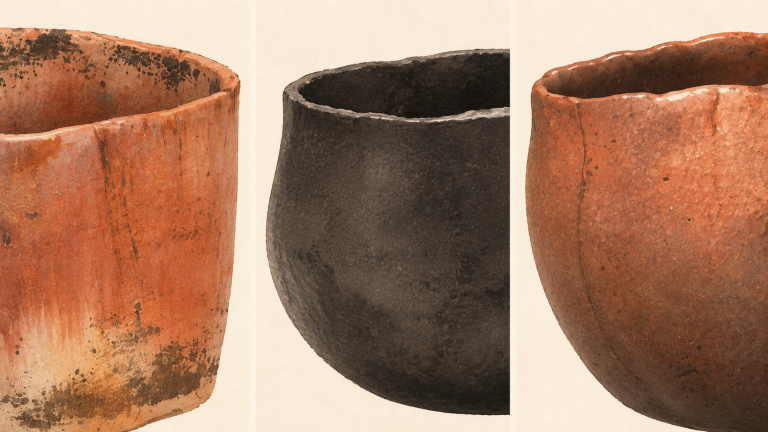
Kizaemon, Hosokawa, and Kaga: Ido Tea Bowls Through Three Celebrated Examples
Utensils
 Featured
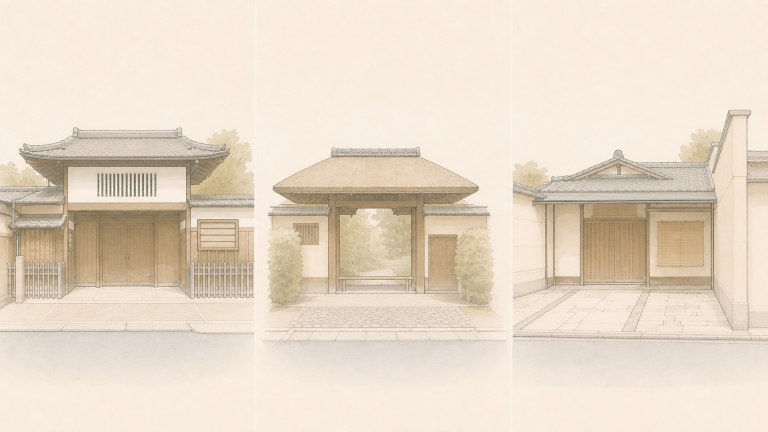
Hon’ami Kōetsu Makes Tea Bowls: From Fujisan to Shigure
Utensils
The Three Sen Houses: The Origins and Distinct Traditions of Omotesenke, Urasenke and Mushakōji Senke
Tea practice
Nagori no Cha: The Last Days of the Portable Brazier Season
Tea practice

Nakaoki: Moving the Brazier Toward the Center of the Mat in Late Autumn
Space
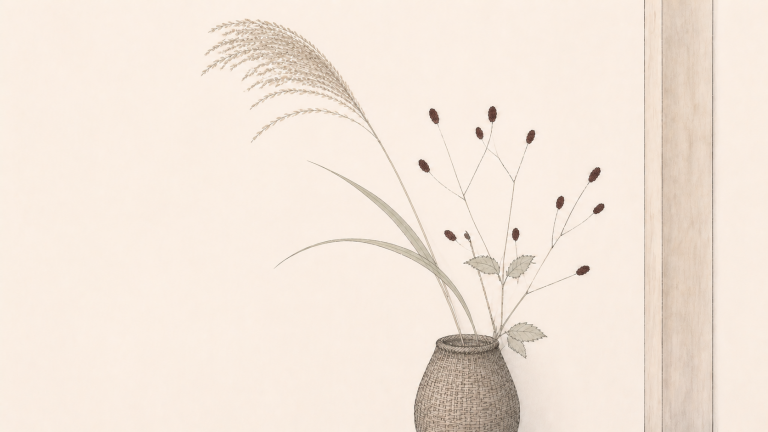
Autumn Grasses in a Basket: The Lines and Gaps Between the Stems
Nature
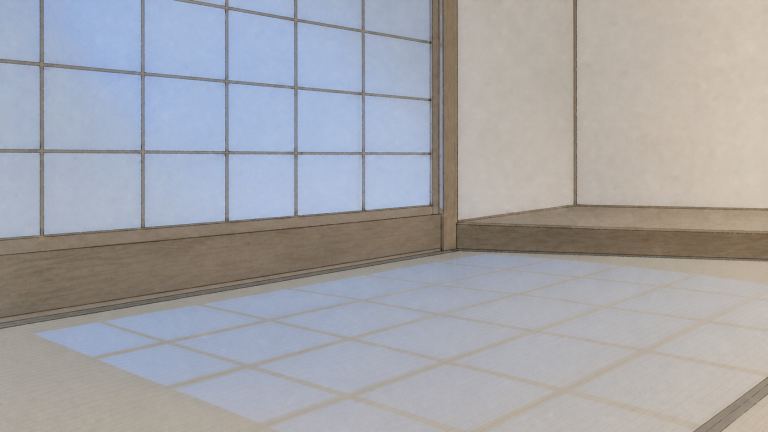
Welcoming the Moon at a Tea Gathering: Beyond the Round Moon Motif
Space

Dew in Autumn Tea: Looking at Water Before It Disappears
Nature
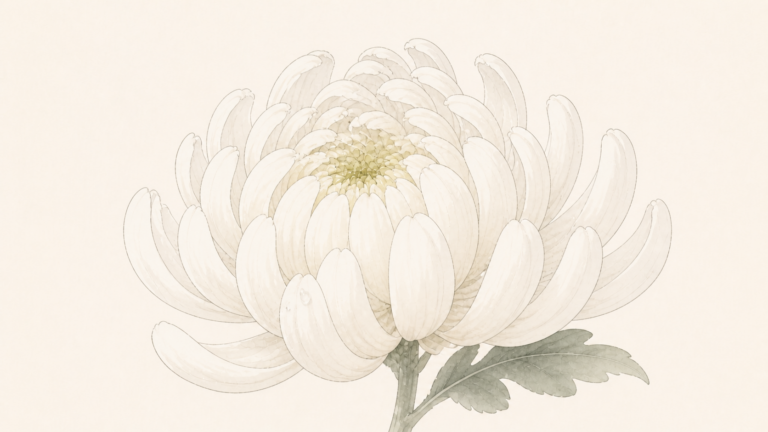
The Double Ninth Festival: Chrysanthemums and a Wish for Long Life
Nature
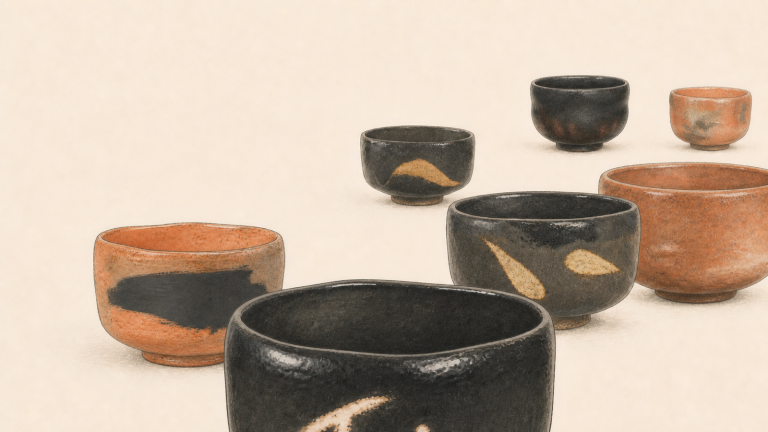 Featured
The Nonkō Seven: Light and Movement in Black and Red Raku
Utensils
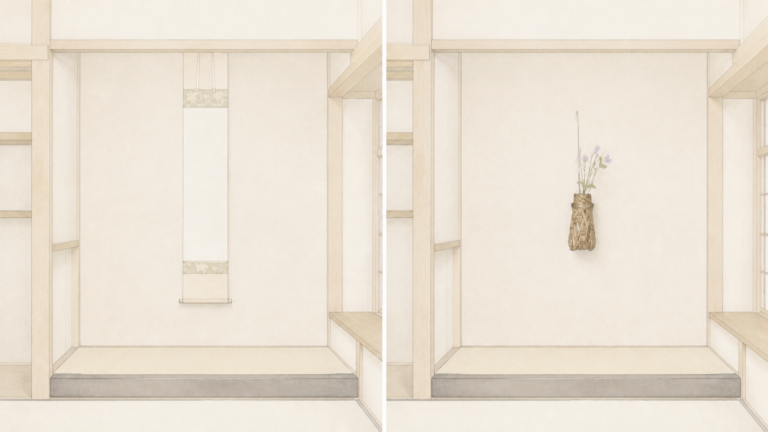
Flowers at the Second Sitting: How a Tea Gathering Changes the Alcove
Tea practice