
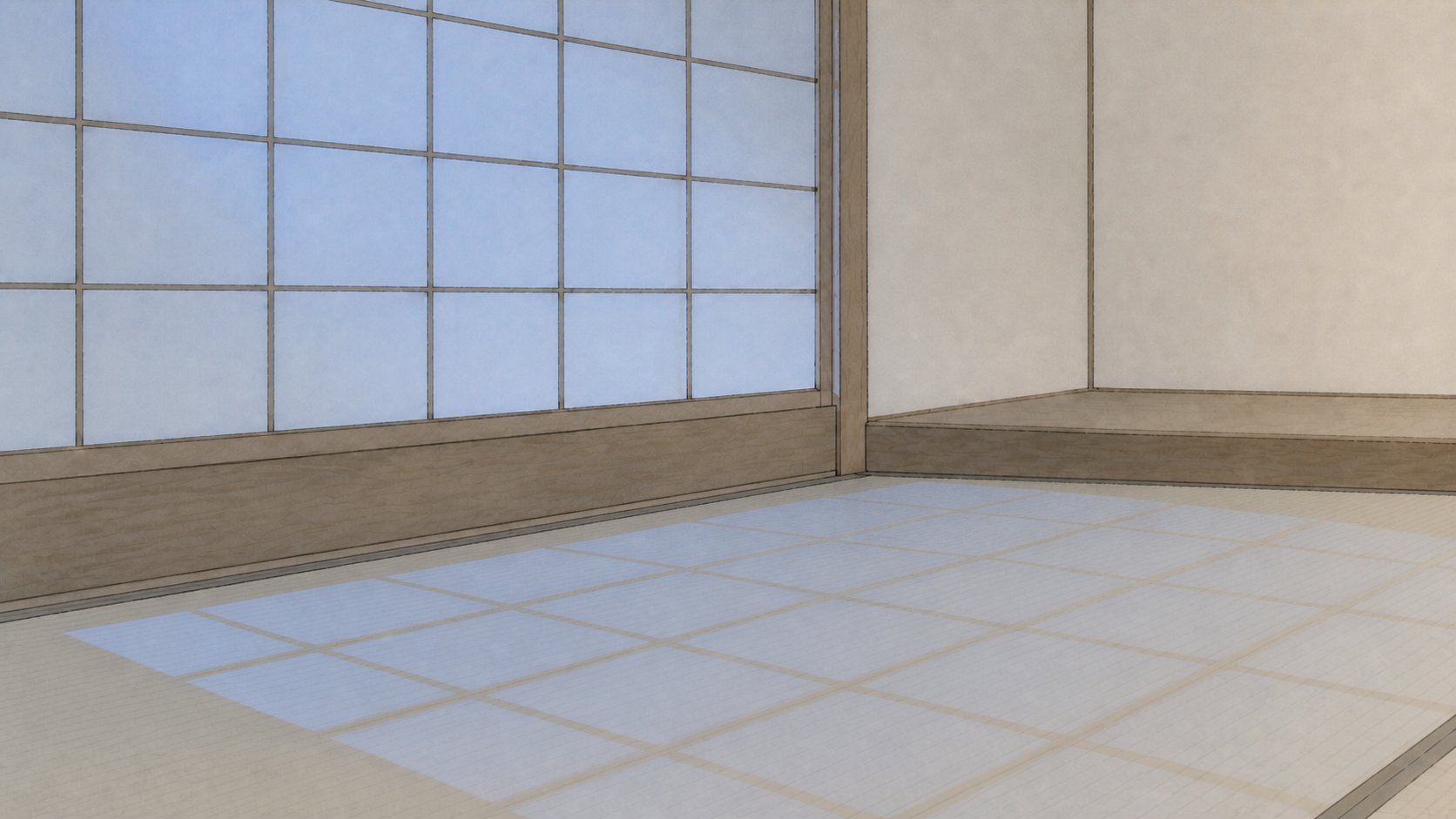
How many round moons does it take to make a moon-viewing tea gathering feel like autumn? Let the moon come through in the light at a window, a shadow, the name of a sweet or an unoccupied space, and guests can find it for themselves. We will follow each of these ways of welcoming the moon: light, shadow, names and the space left open.
What is the Mid-Autumn Moon?
The Mid-Autumn Moon is the moon seen on the night of the fifteenth day of the eighth month of the lunisolar calendar. The custom of admiring the moon came from China and spread in Japan, where it became associated with the harvest. One of its names, Imo Meigetsu, means “taro moon.” Its date changes each year on the modern calendar, so check the calendar for the year in question.
In 2026, the Mid-Autumn Moon falls on September 25. Start to pay attention to how the sky changes a little before then, and the time spent waiting can become part of moon viewing.
What makes such a gathering interesting is that the moon at its center may never come into view. Clouds can hide it, or the building can face a different way. Even so, the guests and host can picture the same moon through the hour of the gathering, the brightness of the sky, the words on a hanging scroll or the curve of a vessel.
The Mid-Autumn Moon and the Full Moon Can Fall on Different Dates
The Mid-Autumn Moon and the astronomical full moon can fall on different dates. In 2026, the Mid-Autumn Moon is on September 25 in Japan, and the astronomical full moon follows at 1:49 a.m. Japan Standard Time on September 27. We may picture a perfect circle on the fifteenth night, but the moon’s orbit does not always give us one.
That gap is part of the appeal of moon viewing in chanoyu. A moon that falls a little short of a perfect circle can still be welcomed as the Mid-Autumn Moon. The calendar, memory and the actual sky come together to give the evening its meaning. The moon’s value goes beyond its geometric perfection.
An exhibition can rely on the things it makes visible. Sharing something that may be out of sight calls for a different balance. Too few clues and the idea may not come through; too many and there is little left to imagine. Give one clear cue, rather than stacking up a round sweet, a rabbit picture and a scroll with the character for moon. Leaving the rest to light and shadow makes room for the guests’ own memories.
Welcoming the moon through a window
A tea room can suggest the presence of the moon through pale blue light coming through a shoji screen, a window frame’s shadow on tatami, or the patches of light and dark in the roji. Moonlight entering the room gives the most direct impression. Even under clouds, the difference in brightness between a dimly lit room and the view outside can bring the night sky to mind.
A window is an opening through which light changes over time. The moon does not have to be straight ahead of the seated guest. A glimpse on the way in, or a trace of light through the shoji, can set the eye looking for it. Showing only part of the view leaves the act of looking to the guest.
I think moon viewing matters because we can share a celestial body without possessing it. The host cannot own the moon seen from the garden or make it appear for the guests. The weather decides what can be seen, and the host puts together a gathering that can make room for it. This is one way that hospitality in chanoyu leaves room for circumstances beyond the host’s control.
Setting the moon in a name and an open space
Tea scoops and sweets have poetic names. Mochizuki (“full moon”), Tsukikage (“moonlight”), Kari Wataru (“wild geese passing”) and Musashino can evoke the moon or a landscape in which it appears. A sweet can bring the moon to mind through its name alone, leaving the shape free of a literal depiction.
Words can put something unseen into the room. A long explanation of a name, however, leaves less to imagine. A guest hears a word and looks back at a blank part of a vessel or at the dark beyond the window. In that movement, the moon spreads from the sweet to the room. An open surface gives the image formed by the words somewhere to land.
On a night when the moon stays hidden, there is still the time spent waiting, the brightness of the clouds and the conversation as everyone keeps an eye on the sky. If success does not depend on seeing a full moon, that time counts as part of the gathering. Seeing the moon without drawing it is a way of sharing the same uncertainty with the guests.
One clear sign is enough
A moon scroll, a rabbit-shaped incense container, susuki pampas grass, a round sweet and a moon-patterned tea bowl make the theme unmistakable. When every object gives the same answer, there is less to discover. One strong sign can give the room depth if other details answer it more quietly through material, color or name.
With susuki in the tokonoma alcove, for instance, a pale sweet and its name can suggest the night without taking the shape of a moon. With a moon scroll on the wall, another autumn grass can suggest a breeze. Arranging the objects means deciding how strongly and from how far away each one should recall the theme.
Before counting the round things, look at where the light enters and which way the shadows stretch. Even if a window does not frame the moon, the brightness of a paper shoji or a reflection off a garden stone can make the sky feel present.
Try choosing one window that admits light, then letting the implements suggest clouds or susuki rather than piling up a round sweet, a moon-shaped window and a moon name. With one clear sign, space remains for the moon the guests cannot see.
Even waiting for a hidden moon is moon viewing
Clouds may come in on the night of a gathering. If the design is judged a failure when the moon is hidden, nature becomes a piece of stage equipment. The brightness of the clouds, the movement of the wind and the light that breaks through now and then are ways the moon appears on that particular night.
Guests and host look in the same direction and wait for a moon that has yet to appear. They share the wait in a way that differs from viewing a scene already complete. Chanoyu makes room for what happens on the day. A host can prepare carefully and then work the weather or the way a flower opens into the gathering.
Clouds do not undo the theme. The glow of the clouds, the darkness at the window and the moon held in the name of a sweet give the guests a way to share how it appears that night. The time spent waiting for a moon out of sight can become a memory of the gathering.
Then consider the names and words and whether they connect with what you see. If an implement has the form of a broken circle, there may be a reason for using something other than a perfect round to evoke the full moon. Leave guests room to connect clues in light, shape and conversation, so the unseen moon can take more than one form.
Conclusion: Seeing the moon without drawing it
A moon-viewing gathering can do without a collection of moon motifs. Give the moon a place in light, shadows, words, open surfaces and the time spent waiting, and each guest can find it through their own senses.
Restraint gives the imagination room to move from one sign into the whole space. A gathering without a direct picture of the moon can prolong the time we spend looking for it.
In preparing a moon-viewing gathering, check the moon’s position and the time it will be there. Give the gathering one point of attention in a window, a lamp, a shadow or a name, and allow for the wait if it stays out of sight. That wait can make the moon more present than a perfect circle would.