

The twenty-four solar terms offer a way to notice changes in light, temperature, plants, sweets, and utensils. Begin with how the calendar marks twenty-four points in the year, and see what those divisions help you observe.
Twenty-four points mark the progress of the seasons
Spring, summer, autumn, and winter cannot account for every change. The wind dries a little. The days shorten. Warm water begins to feel welcome. The solar terms give us words that draw attention to such small shifts.
The twenty-four solar terms follow the sun’s apparent motion through the year, marking twenty-four points along its path. They have long served as guides to the progress of the seasons.
The names give us a framework for looking at changes in light, temperature, plants, and daily life as each term comes around.
The calendar and the season outside can diverge
The name of a term may not accord with the weather in Tokyo today. Place and changing climate make a difference. A word alone cannot tell us what nature is doing.
Compare the calendar with the environment in front of you. The discrepancy can sharpen your ability to observe the season for yourself.
A tea gathering lets different things carry the season
The words on a scroll, the name of a sweet, the color of a bowl, steam from the kettle, and the material of a utensil each convey time in a different way, as flowers do.
Rather than repeating one solar term through every utensil, decide where it should be clear and where it should only be suggested.
Anticipation and lingering traces give a season depth
Chanoyu can attend to a season at its height, hint at what is about to arrive, or regret the passing of what is nearly over.
The calendar can connect what comes before and after the present moment. That gives a gathering a story over time.
Words help us notice changes we had missed
Once you know the name of a solar term, you may look for new signs in the same view. A name can raise a question to observe rather than fix nature with a label.
A few words about the season can change how you read the light or wind. Language shapes what the eyes notice even when the words themselves lie outside the view.
The terms have the same names each year. The season itself never repeats in quite the same way. Compare the calendar with the temperature, when flowers opened, and how much rain fell that year, and an old measure can tell you something new about the present.
It matters more to see the seasons in finer detail than to memorize twenty-four names. Use a name to notice a difference rather than file the world into categories. Those observations connect the calendar to life now.
A season has more to offer than a set of symbols
Cherry blossoms for spring and red leaves for autumn are clear signs, but they show only part of a season. The solar terms can draw attention to new shoots, rain, humidity, insects, and dusk.
More ways to express the season are useful when they still arise from the environment around us.
Observe the seasons in Tokyo as they are now
A traditional calendar can guide a look at what a city offers now. Pavement reflecting the heat, sweets in a shop, street trees, and indoor light can all signal the season.
Old words become useful again when they connect to life now, beyond lending it an air of tradition.
Assign the terms mechanically to vessels or sweets and the seasons become twenty-four signs. When you see a name, step outside and look for what has changed in the light, wind, plants, or sound since the previous week. The calendar asks what is changing. Choosing just one observed detail for a gathering can lead beyond ready-made seasonal imagery.
A calendar connects flowers, sweets, and utensils in time
Consider the flowers, sweets, gatherings, and utensils alongside the solar terms, and what looked like separate fields of knowledge can come together in one season.
The terms give us a way to consider the whole tea setting as the season changes, beyond sorting utensils by name.
Bring the twenty-four terms back to what you observe
On the day a term appears on the calendar, step outside and look for a change in light, wind, plants, or sound. If the calendar and the world disagree, that difference becomes evidence of what the season is like now.
Flowers, sweets, and utensils can carry different parts of the season. Make one point clearly and let another element echo it in color or material. The differences give the season depth.
A calendar can keep observation going as well as preserve a way of dividing the year. Used alongside a record of Tokyo now, it links the time of cultural practice with the time of daily life.
Giving the Knowledge Database a timeline lets readers follow the movement of the seasons through its entries.
The calendar helps us notice finer changes
It is true that the terms can teach us more about the seasons. What interests me is the way the calendar helps us look for small changes missed until yesterday. Those changes matter more than placing nature in twenty-four fixed boxes.
Defining a subject for a project can bring a detail that used to sit in the background suddenly into view. A solar term can do something similar. The name draws attention to wind, dampness, or the angle of the sun. Words give us a place to begin looking.
Using calendar signs without regard for today’s climate or location makes an account of the season thinner. What is in flower in Tokyo today? What is still early? What heat or cold will the guests bring with them? The host works with the difference between the calendar and what is in front of them.
I want to use the terms to sharpen the senses. A little anticipation or something left over from the previous season can remain in the flowers, sweets, scroll, and utensils without forcing them all to say the same thing. Those layers of time make a gathering more than a familiar picture of the four seasons.
Compare the calendar with the air today
The spring equinox and Risshū, the traditional beginning of autumn, do not change the air from one day to the next. I am interested in where the name and the weather diverge. It can still feel cold in the calendar’s spring or hot in its autumn. The difference draws attention to the season in a particular place and year.
A single seasonal sign repeated on sweets, flowers, and scroll can leave little for guests to imagine. The terms can serve as a measure for the distances among the elements rather than supply one theme for every object.
A flower might retain something of the previous season, a sweet hint at what is next, and a utensil respond to the weather now. Holding several layers in a gathering lets us see that the season is in motion. The effect resembles editing several different messages so that they point somewhere together.
Knowing a term may change how long you look at the light on your way to work or at fruit outside a shop. It gives you another reason to pay attention. The change in the air and light matters more here than recalling a definition.
Conclusion
The twenty-four terms offer a way to compare a calendar with the world outside and notice small changes in light, wind, plants, sweets, and utensils. Words direct attention and give different practices a shared measure of time. This is one way to see the present season in more detail.
Use a division in the calendar to compare today’s light or wind with what it was before and decide which change to bring into the gathering. When a calendar prompts observation, it helps people choose what the season will mean in a room.
At the next solar term, see whether looking up its name changes what you notice outside.
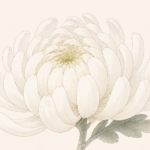 The Double Ninth Festival: Chrysanthemums and a Wish for Long Life
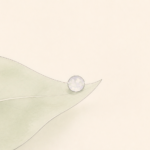 Dew in Autumn Tea: Looking at Water Before It Disappears